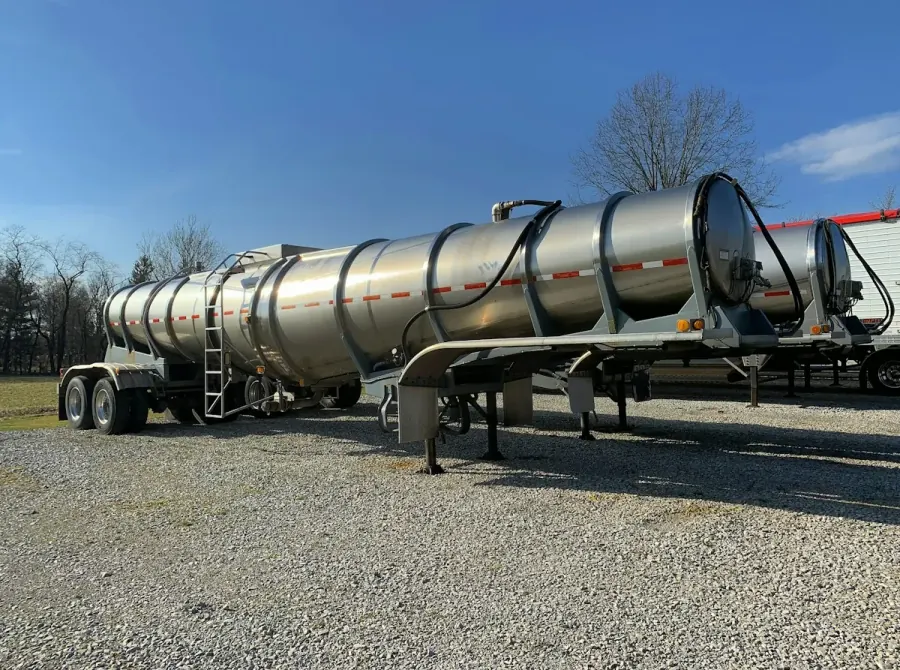
Grease Trap Service Area: Milwaukee and Milwaukee County
Milwaukee proper is the core, neighborhood by neighborhood, plus the county suburbs and selected Waukesha County communities.
A City Where Access Varies More Than the Work Does
Pumping a grease interceptor is largely the same job wherever the tank sits. What changes across Milwaukee is everything around it: whether the lid is in an open lot or a Third Ward alley, whether the building is a 1890s warehouse conversion or a suburban build with a proper service pad, and whether the tank spends December under plow snow. That is why scheduling goes by neighborhood rather than by postal route.
Downtown Milwaukee
Hotel kitchens, banquet operations and a dense run of restaurants working out of buildings that were not designed around a grease interceptor. Most tanks here are indoor or sit in a shared service alley, so access planning matters as much as the pump out itself. Service here works best scheduled around delivery windows rather than fighting them.
Historic Third Ward
The highest concentration of food service per block in the city, in converted warehouse buildings with narrow loading access and alleys that fill early. Third Ward calls are best booked for early morning because by nine the hose run often has trucks parked across it.
Walker's Point
A dense mix of restaurants, taprooms and production kitchens in older industrial stock. Traps here range from small under sink units retrofitted into tight back rooms to in ground interceptors under the parking area. Older buildings mean baffle condition is worth checking at every visit.
Bay View
Independent restaurants, cafes and neighborhood bars along Kinnickinnic, mostly in smaller buildings with indoor traps. Lower volume than Downtown but the tanks are smaller too, which frequently means a shorter interval rather than a longer one. Measuring beats assuming here more than anywhere.
Riverwest
Cafes, bars and small kitchens in mixed residential blocks. Parking is the constraint, not the work. Hose runs and truck placement need planning in advance because a Riverwest street on a weekday afternoon does not offer much improvisation room.
East Side and Lower East Side
High turnover student trade, late hours, and kitchens running hard through the school year then quietly through summer. That seasonality is real and a fixed year round interval usually fits it badly. Seasonal scheduling saves these operators money.
Bronzeville
A growing restaurant corridor with a mix of long established kitchens and newer operations moving into renovated space. New buildouts are the best time to get the interceptor sized correctly, and the worst time to discover it was not.
Brewers Hill and Harbor District
Converted industrial buildings with kitchens added long after the plumbing was laid. Interceptors here are often exterior, often under a lot, and often the tanks most exposed to a Milwaukee winter. Lid marking before the first plow matters most in these locations.
Menomonee Valley
Event venues and high volume operations with long idle stretches punctuated by very heavy days. Fixed intervals fit this pattern badly. These should be set from readings and adjusted around the event calendar.
Wauwatosa
Village restaurants and Mayfair area food service, a mix of indoor traps in older village buildings and larger exterior interceptors at the bigger operations. Straightforward access compared to the city core, which usually shows up in the quote.
West Allis
Long established neighborhood restaurants, supper clubs and event kitchens, frequently with exterior tanks and decent lot access. Many of these accounts have been on the same interval for years without anyone re-measuring, which is exactly where the savings hide.
South Suburbs
Suburban restaurants, cafeterias and institutional kitchens with in ground interceptors and generous lot access. Easier work than the city core, and easier to schedule into a route, which keeps per visit cost down.
North Shore
Neighborhood restaurants, cafes and club kitchens. Tanks tend to be well maintained here but intervals are frequently set once and never revisited, so an interval review is usually the first useful step.
West Suburbs
Waukesha County sits outside the MMSD service area in places, so confirm which authority governs your discharge before assuming Milwaukee rules apply. The service itself is identical. The paperwork may not be, and that is worth ten minutes up front.
Outside the List?
The map below is the general footprint rather than a hard boundary. Milwaukee County is the core, Waukesha County communities are routine, and we take work further out depending on tank size and scheduling. A large interceptor on a standing schedule is usually worth the drive.
One thing worth confirming before you assume anything: the Milwaukee Metropolitan Sewerage District serves Milwaukee and a large group of surrounding communities, but not every municipality in the region. If your kitchen sits on the edge of that footprint, check which authority regulates your discharge. The service is the same. The compliance paperwork may not be.
Check Your AddressTell Us Where the Tank Is
Neighborhood, building type and whatever you know about the interceptor. We will confirm coverage and come back with a real number.
Request Service